
Understanding Piano Finishes
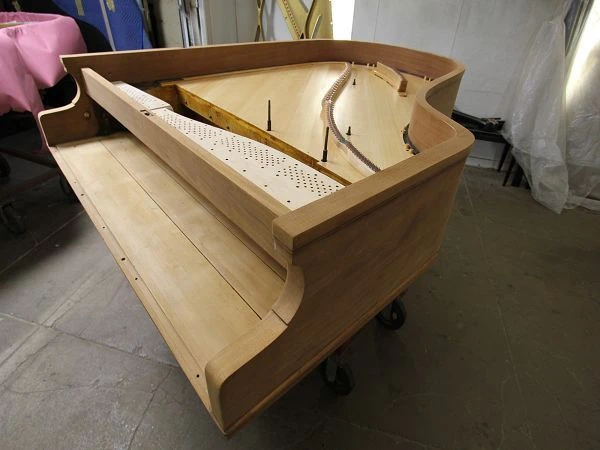
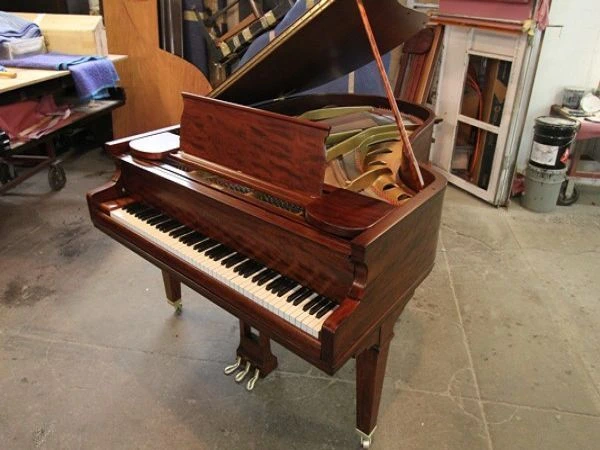
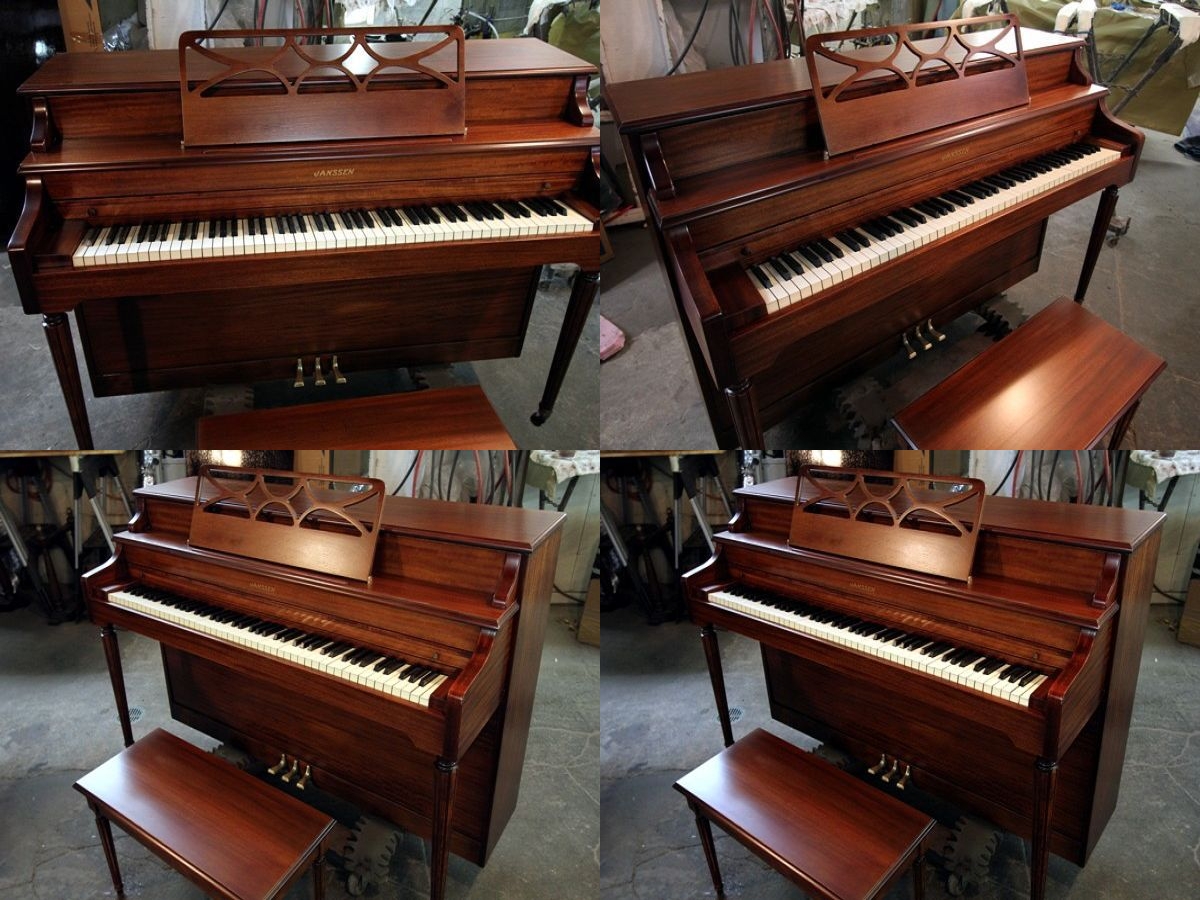
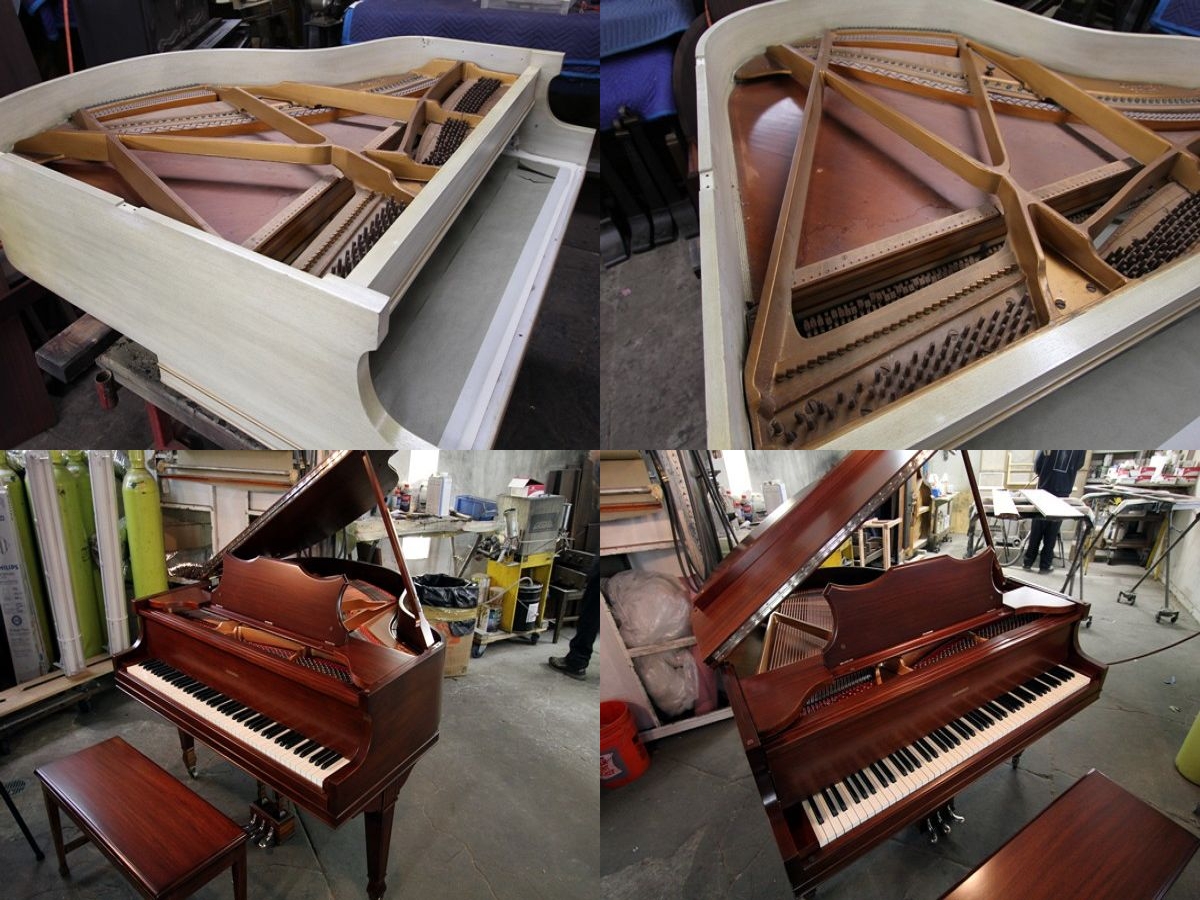
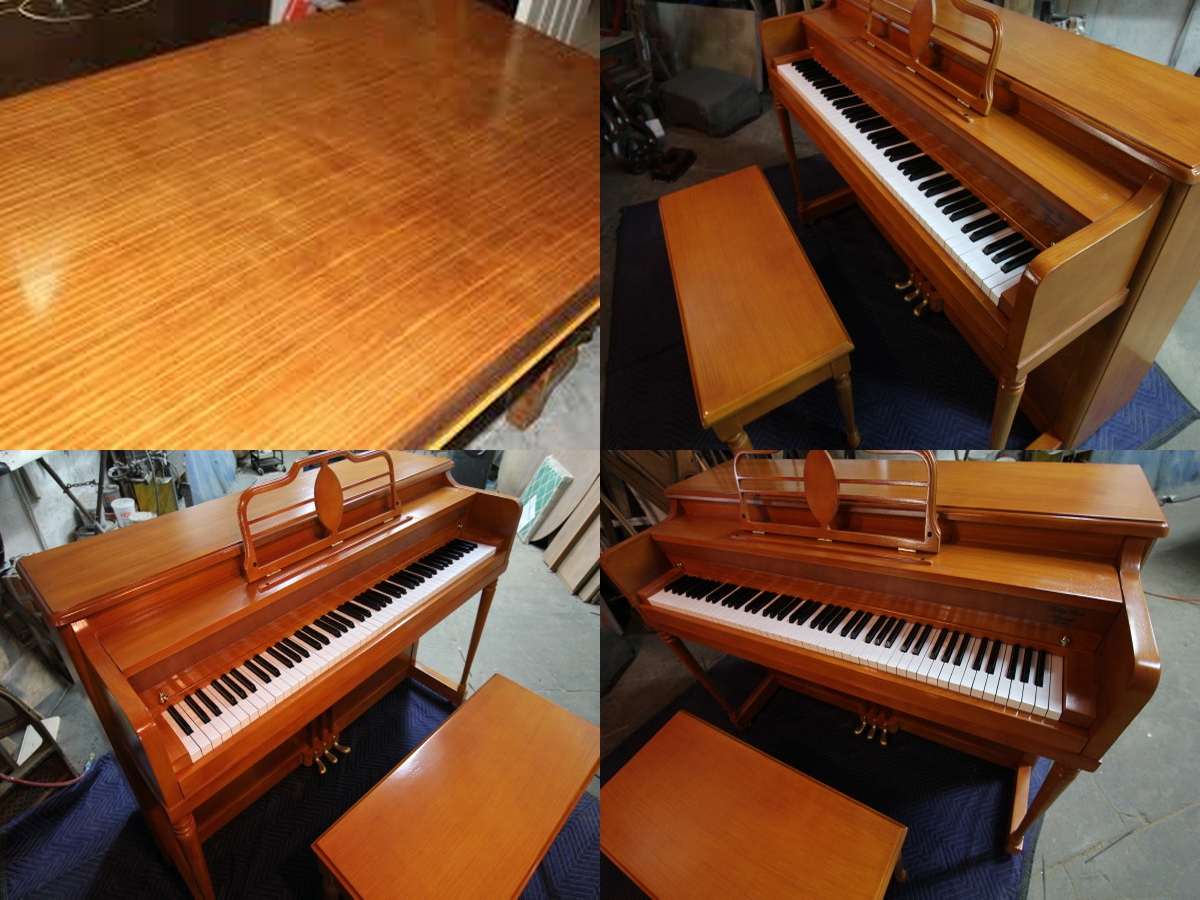
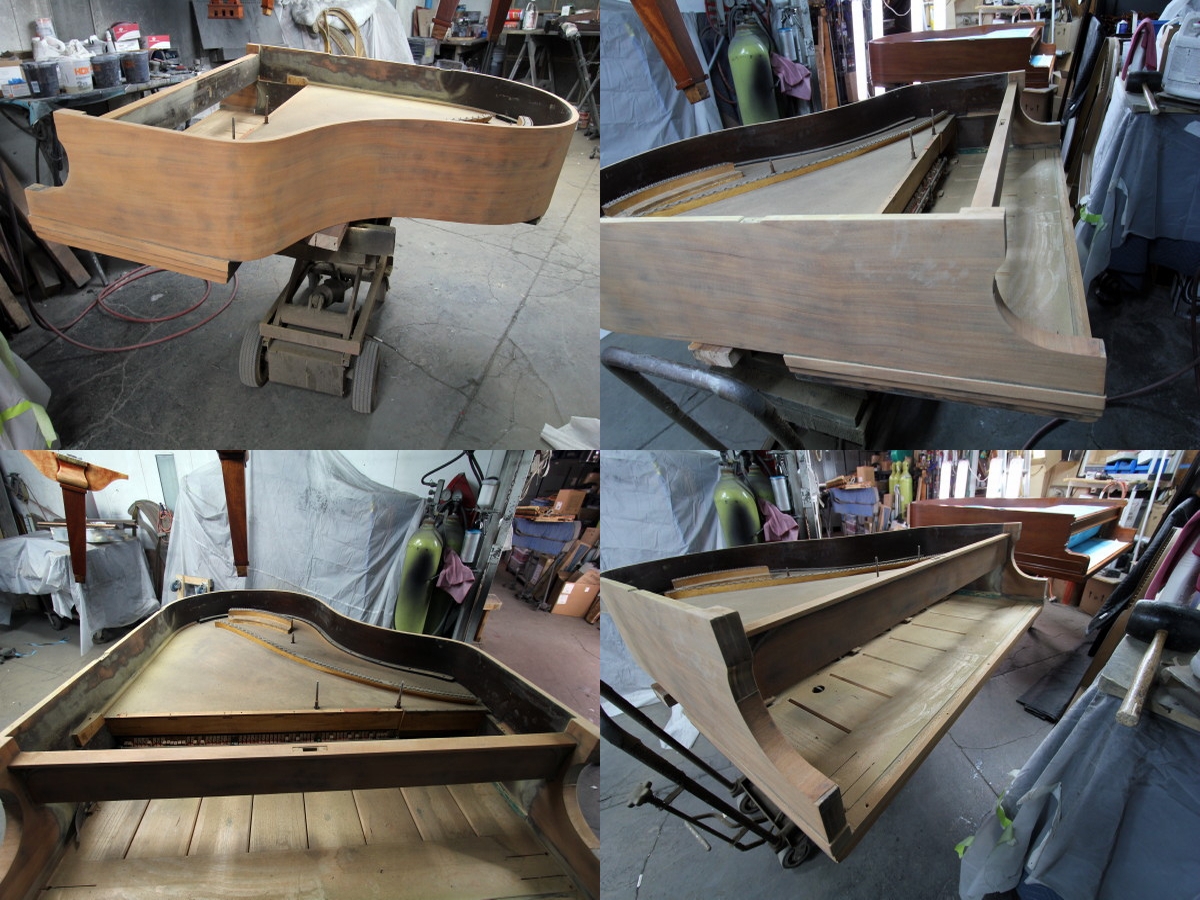
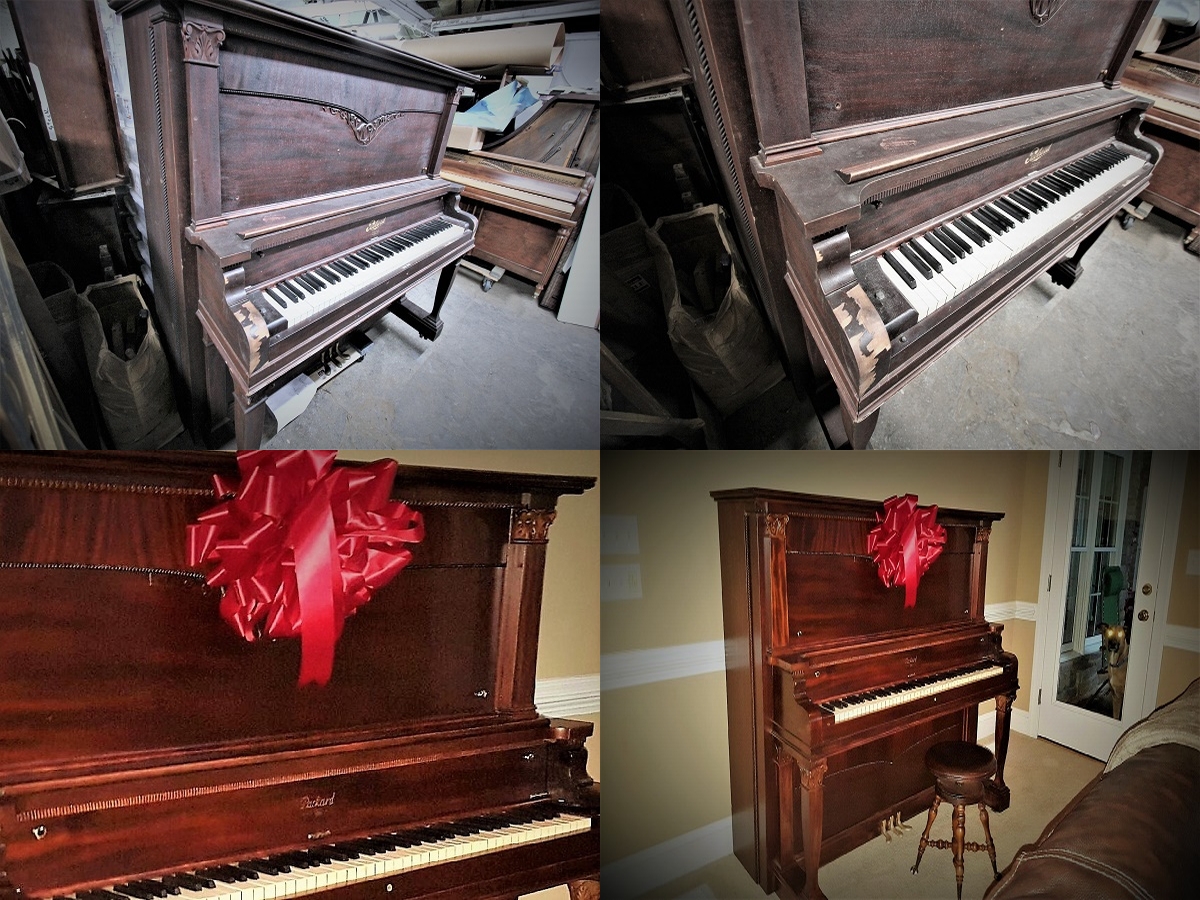
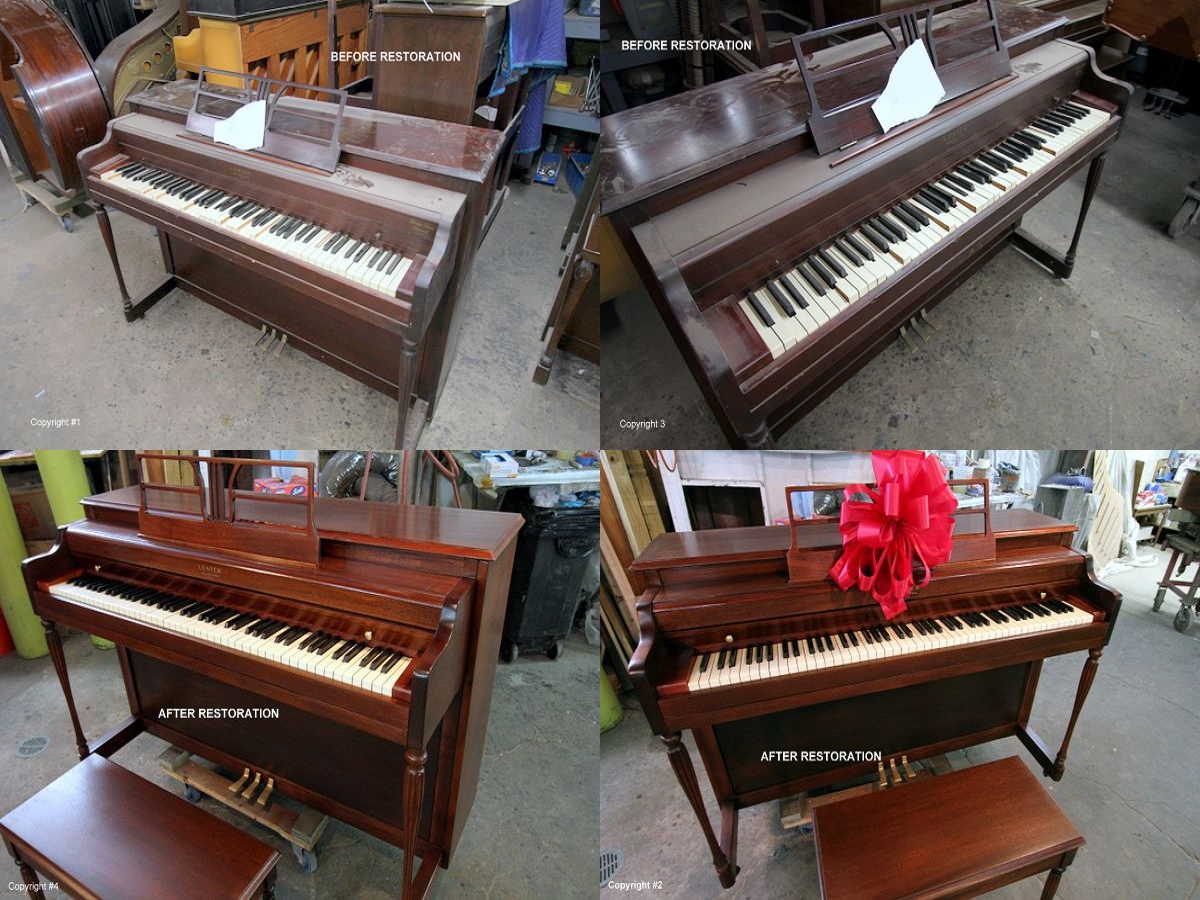
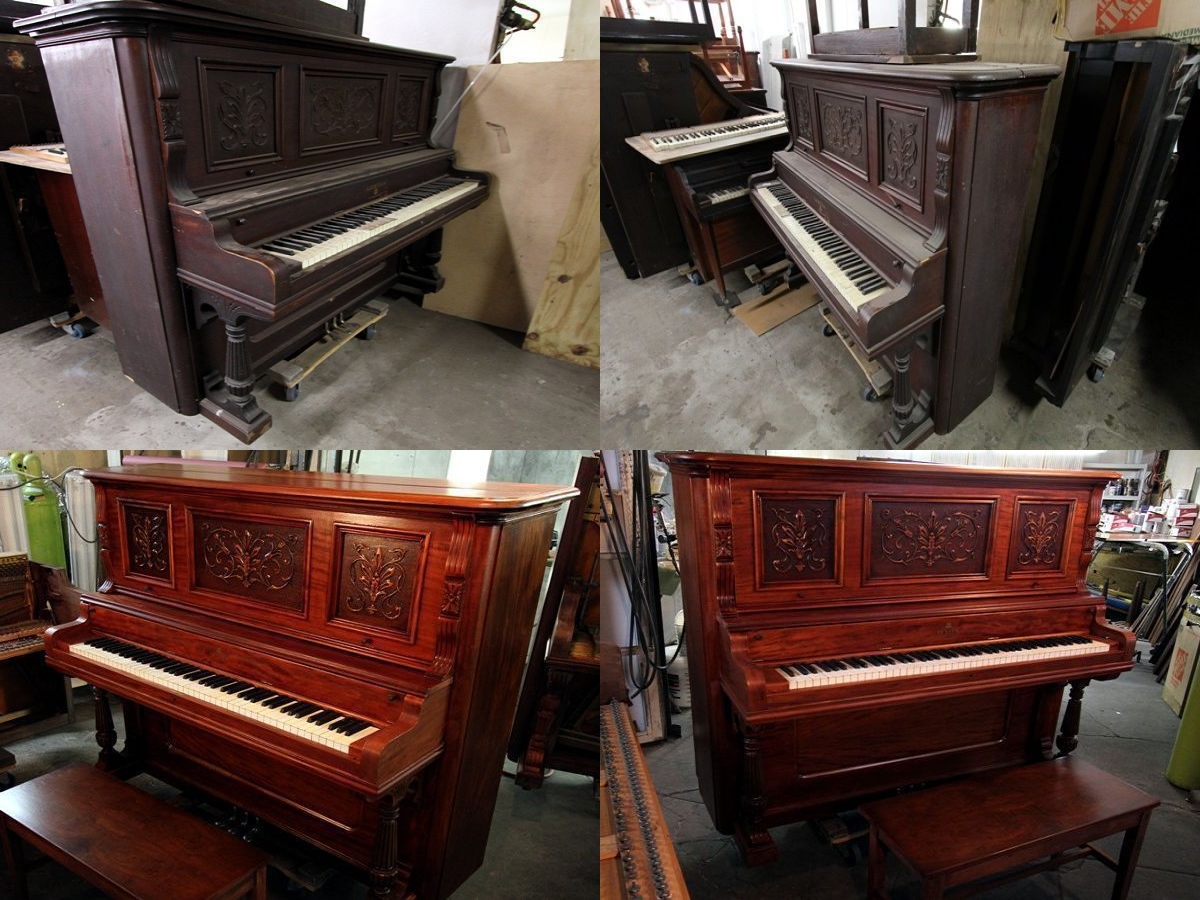
When it comes to the instrument’s exterior, the finish serves as the final, crowning statement of the restoration process. While Michael Sweeney offers dramatic options like the classic High-Gloss Ebony—the gold standard for concert stages—or the velvety, refined Satin Ebony, his true expertise lies in the art of returning an instrument to its original, natural wood beauty. By carefully stripping away decades of opaque, degrading lacquers, he reveals the breathtaking chatoyancy and depth of the original mahogany, walnut, or rosewood grain. This process honors the tree’s unique history, allowing the warm, organic textures of the timber to take center stage. For those seeking a different aesthetic, a White or custom-painted finish can transform a piano into a stunning, bold architectural element, adding an airy, contemporary feel or a bespoke color match to a specific interior design. Ultimately, whether you choose the timeless gravity of a deep black, the sculptural brightness of a custom paint, or the soulful warmth of a restored natural wood grain, these treatments highlight the piano's silhouette and ensure the instrument is as visually captivating as it is musically profound.
The restoration of natural wood is a labor-intensive process that demands a deep understanding of veneer work and finishing chemistry. When you decide on a natural finish, you are choosing to peel back the layers of time to reveal the core character of the instrument.